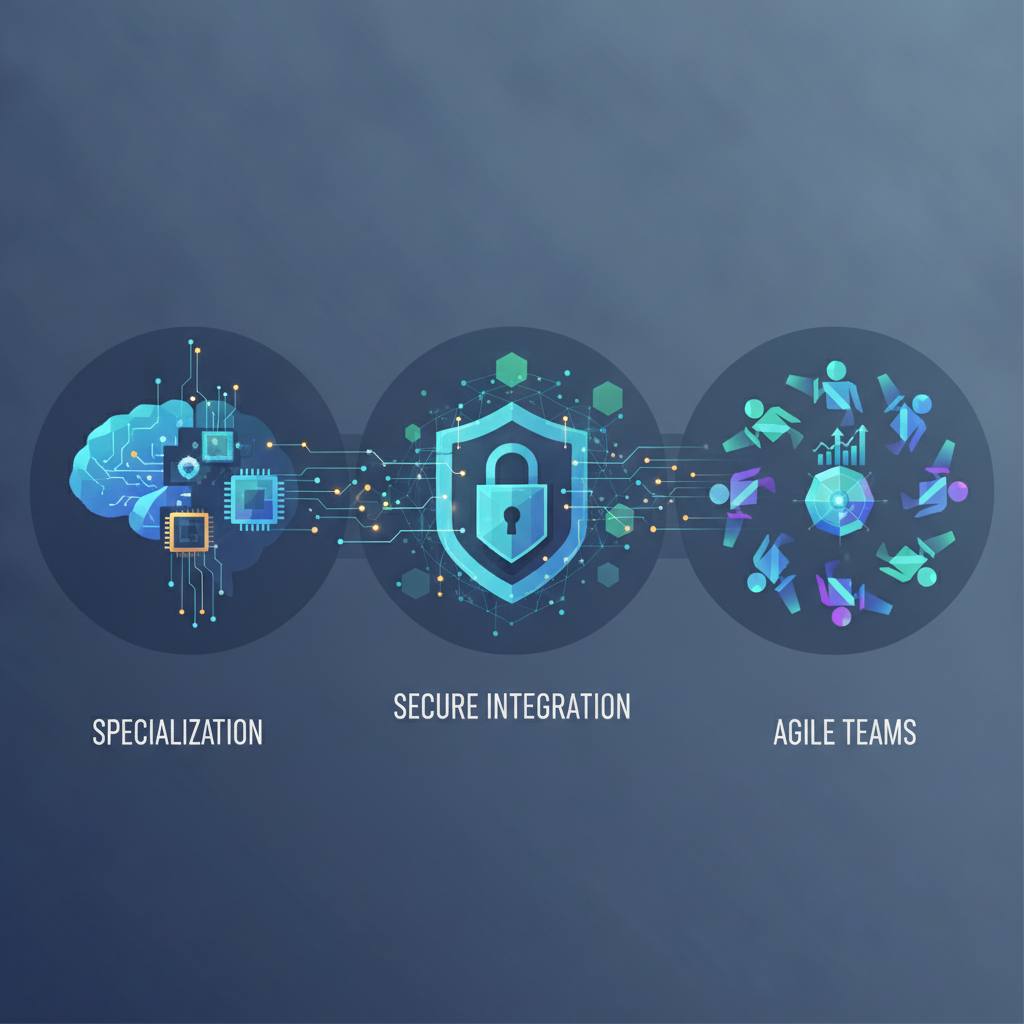
The tech industry is heading towards greater specialization in products, demanding more secure and seamless system integrations. Companies will increasingly optimize their internal team structures to deliver these focused, secure solutions efficiently.
The tech world is showing clear signs of a shift, moving away from a one-size-fits-all approach towards more focused strategies. Take the recent news from Nothing, for example. Instead of chasing the high-end flagship market, they're narrowing their product line, canceling ambitious projects, and doubling down on mid-range phones. This isn't just about one company; it signals a broader trend where businesses will find success by specializing and offering specific value, rather than trying to compete across every segment with generalist products. Expect more companies to identify their core strengths and concentrate their efforts there, providing targeted solutions that meet distinct user needs.
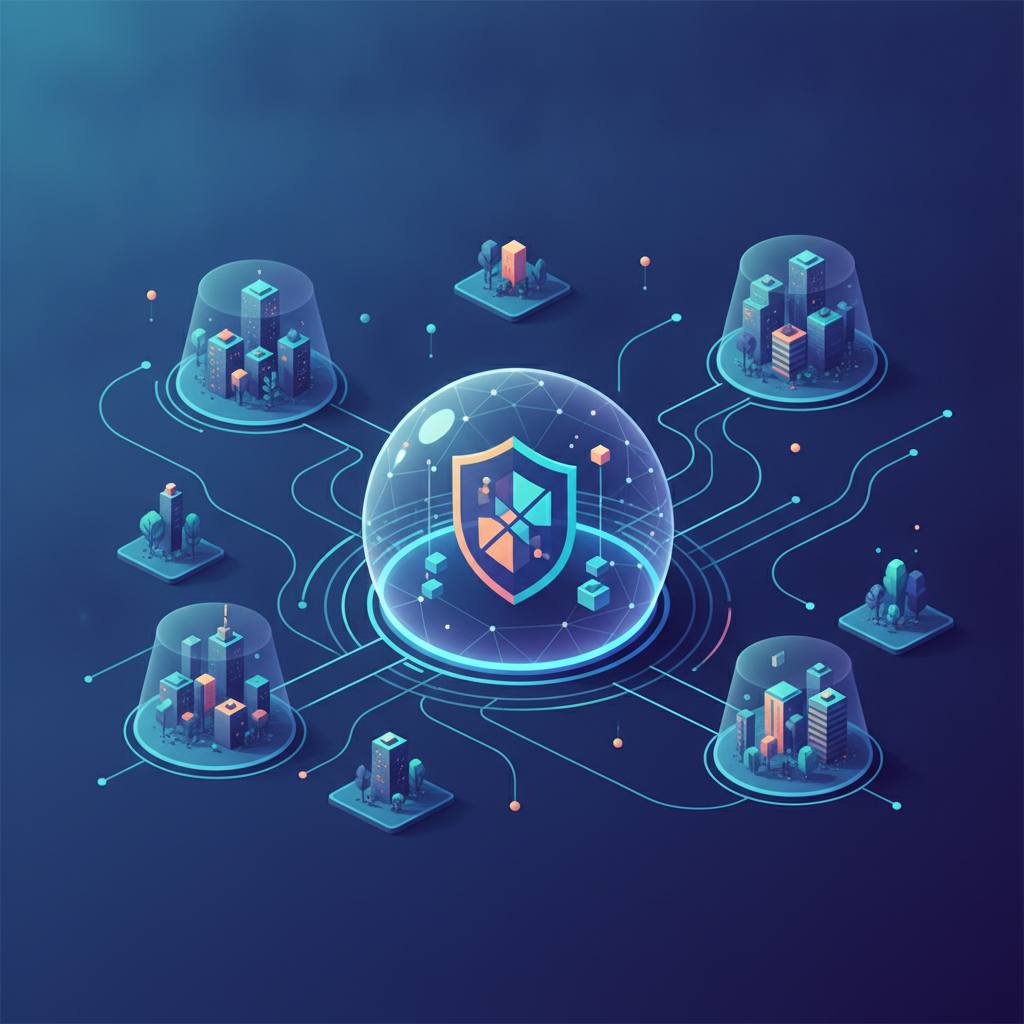
This increased specialization, however, brings its own set of challenges, especially in how different systems interact. As companies build more focused products and services, they'll need to connect them seamlessly with existing infrastructure – from e-commerce platforms talking to inventory systems, to internal tools linking with new AI agents. The quiet truth is that every time data moves between these systems, a potential security gap opens up. Current security practices often focus on policies, but the real test is in securing the actual data flow across networks. We'll see a growing emphasis on practical, deep-level security measures for these inter-system connections, moving beyond surface-level compliance to robust, built-in protections.
Finally, managing this shift towards specialization and securing complex integrations will put immense pressure on how engineering teams are structured. The efficiency of a tech company will increasingly hinge on its internal organization. News about team structures like squads, tribes, and guilds highlights that getting this right allows teams to operate independently, communicate effectively, and maintain clear ownership. Getting it wrong, conversely, leads to constant bottlenecks and delays. The companies that thrive will be those that not only define their niche and secure their data pathways but also empower their teams with flexible, efficient structures designed for agility and rapid, independent delivery.
This increased specialization, however, brings its own set of challenges, especially in how different systems interact. As companies build more focused products and services, they'll need to connect them seamlessly with existing infrastructure – from e-commerce platforms talking to inventory systems, to internal tools linking with new AI agents. The quiet truth is that every time data moves between these systems, a potential security gap opens up. Current security practices often focus on policies, but the real test is in securing the actual data flow across networks. We'll see a growing emphasis on practical, deep-level security measures for these inter-system connections, moving beyond surface-level compliance to robust, built-in protections.
Finally, managing this shift towards specialization and securing complex integrations will put immense pressure on how engineering teams are structured. The efficiency of a tech company will increasingly hinge on its internal organization. News about team structures like squads, tribes, and guilds highlights that getting this right allows teams to operate independently, communicate effectively, and maintain clear ownership. Getting it wrong, conversely, leads to constant bottlenecks and delays. The companies that thrive will be those that not only define their niche and secure their data pathways but also empower their teams with flexible, efficient structures designed for agility and rapid, independent delivery.